Liability with Search and Rescue Dogs

Handling a dog for search and rescue groups, organizations, or departments is a very rewarding experience but please note that it is also a responsibility not only in training your dog but actually performing as a team. Being on the other end of the leash is not just a walk through the woods; handlers need to understand the dynamics on how and why the dogs work the way that they do. Most search and rescue canine handlers work on a volunteer basis with little or no financial backing. Canine handlers should know that agencies, victims, worried friends and family members are depending on them to assist with any emergency situation, Are you prepared to handle the responsibility? Many times dogs are the last hope of a search mission there are so many people depending on canine teams.

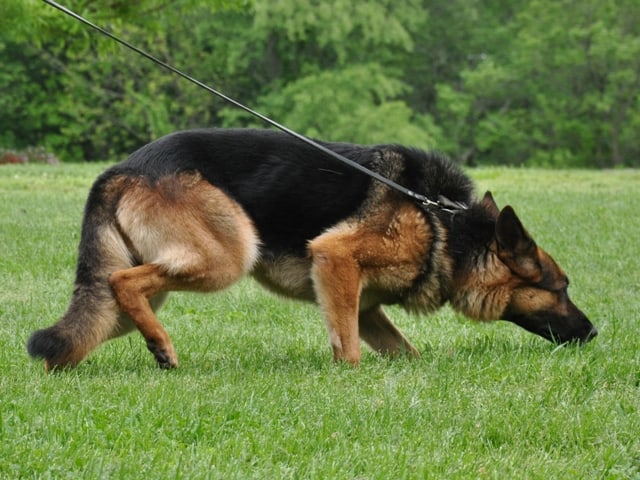
Search & Rescue DogWe have found that there are some groups out there who train search dogs the only way they know how because they have lack of funds, time, or simply following advice from someone else. We have seen what some groups claim to be certified dogs and/or handlers with no finished alert, no apparent rewards for the dog, and dogs with simply no drive at all. During the years that I have been conducting seminars and certifying Search and Rescue dogs, I have also seen a number of “search and rescue” dogs that were fear agressive, phobic of people, or were scared of vehicles, just ot name a few. The problem is those select groups who choose to train their own way, with little or no success, ruin things for those groups and individuals who work hard, attend classes, seminars, and receive updated information frequently to make sure handler and dog are up to par. I would like to add that if you are a volunteer in hopes of making a hero out of yourself and your dog…..please get out now! (ie. Sandra Anderson and Canine Eagle). Search and Rescue groups are about working as a team many times with people you don’t know very well. Making up excuses for why your dog was wrong or couldn’t pick up a scent (blaming others for your lack of training), sometimes you just have to say, we gave it a shot and did the best we could. There are many resources and certified trainers out there to assist search and rescue handlers and your dogs; you just have to take a look around.

If you are thinking about or already working a SAR, USAR, Wilderness, or Cadaver canine, ask yourself “Can I testify to the work and training of me and my dog?” Yes, it could happen, especially working cadaver dogs, you could find yourself right in the middle of a murder or missing person’s investigation. Remember, training records are the key to understanding where you are with your dog and where you need to go next as far as training. There’s an old saying that was taught to me in my years in law enforcement: “If you did not write it down, it did not happen!”

When training or working with Search and Rescue Dogs, try to be open minded, one trainer or instructor is not the “gospel” and you’ll be surprised about what you can learn (or learn not to do ) by listening to different training methods and theories.